
Children’s Dental
Supportive dental care designed to build confidence and healthy habits early.
Early dental visits help children become familiar with the environment while allowing development and oral health to be monitored over time. Many dental problems in children develop gradually, so regular assessment helps guide eruption, prevent decay, and address concerns before they become uncomfortable.
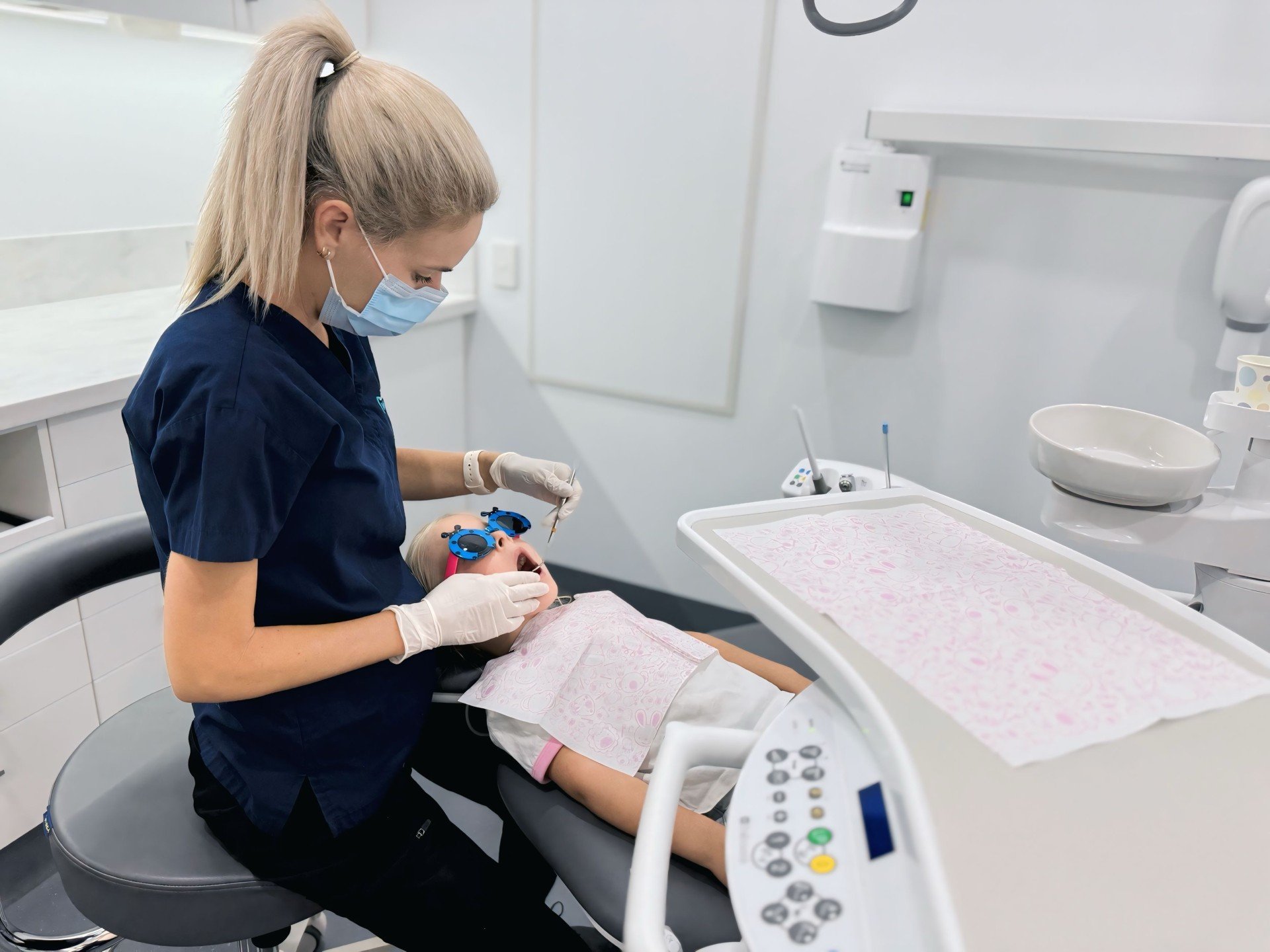
At WA Dental, children’s appointments focus on comfort and understanding rather than rushing treatment. Visits include monitoring tooth development, hygiene guidance, and simple explanations suited to your child’s age. The aim is to create positive experiences that encourage long-term confidence and reduce anxiety around dental care.
Children’s Dental in Perth
Helping children feel comfortable at the dentist while supporting healthy development.
A child’s dental visit is less about treatment and more about familiarity. The early years focus on allowing children to become comfortable in the environment so appointments feel routine rather than intimidating. Small, positive experiences build confidence and make future visits easier.
At WA Dental, visits are paced to match each child. Some children want to watch, some want to ask questions, and others prefer simple reassurance. The appointment adapts so they feel in control while we gently assess tooth eruption, cleaning habits and early changes in the mouth.
Parents are guided on brushing techniques, diet factors, and what to expect as new teeth appear. Monitoring growth allows early recognition of crowding, bite concerns, or enamel changes, helping avoid more involved care later. The goal is not just checking teeth, but creating a pattern where dental visits feel normal and manageable.
By building trust early, children are more likely to maintain dental care as they grow, supporting confidence, comfort, and long-term oral health.
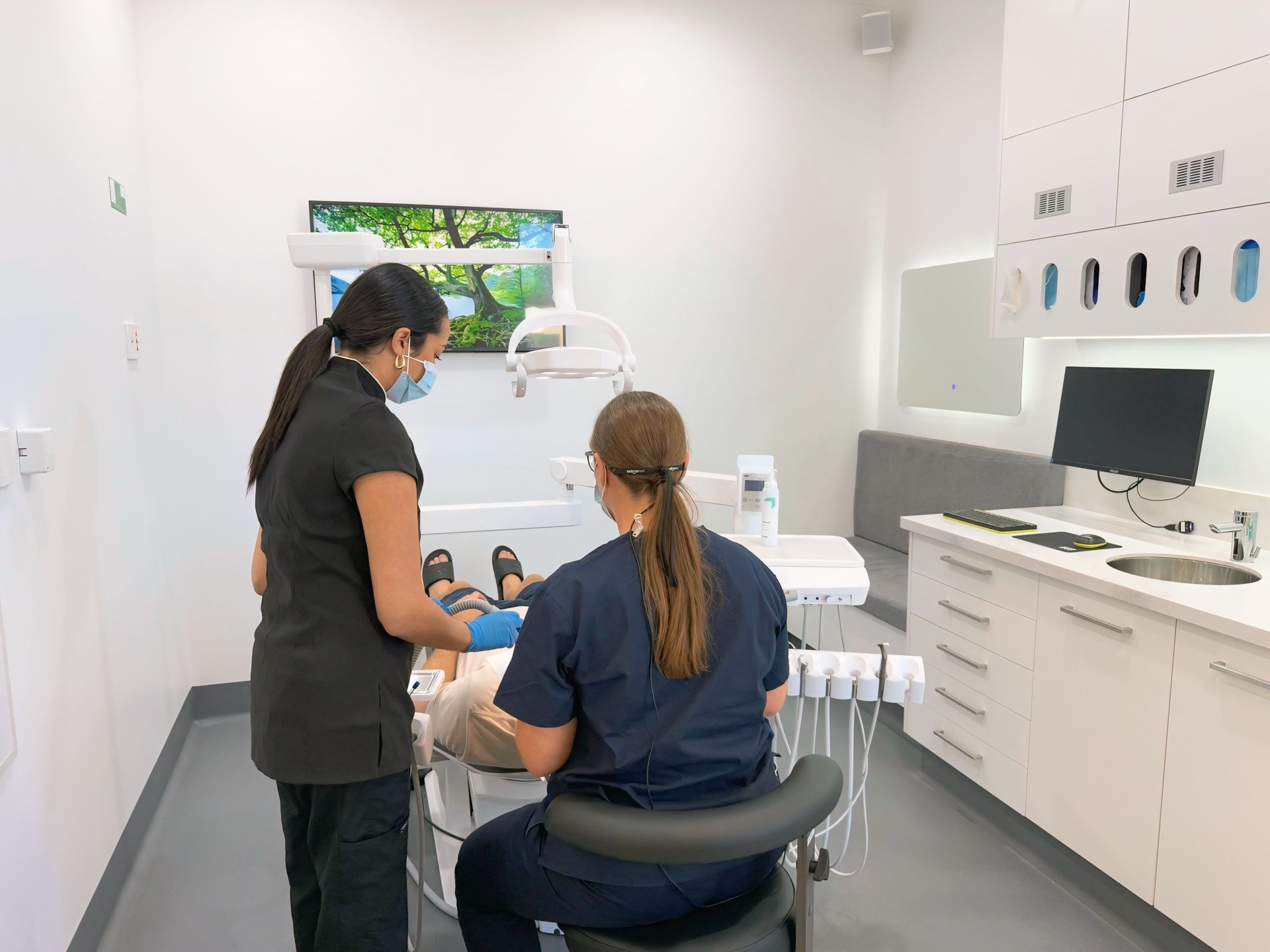
Looking for children’s dental care in Perth? WA Dental provides supportive visits focused on comfort, prevention, and healthy development.
Why Choose WA Dental for Children’s Dental
Children respond to dental care based on how they feel during visits, not just what treatment is done. At WA Dental, the priority is creating positive early experiences so appointments feel normal rather than stressful. Time is taken to explain instruments, demonstrate procedures, and move at a pace suited to the child rather than rushing to complete tasks.
Appointments focus on confidence before treatment. Many visits involve observation, simple cleaning guidance, and reassurance rather than immediate intervention. This helps children understand what is happening and reduces fear at future appointments.
Monitoring is also structured differently from adult care. Growth patterns, eruption timing, spacing, and bite development are tracked over time so parents receive clear guidance on what is normal and what may need attention later. Where orthodontic or specialist input is beneficial, referrals are coordinated early to avoid complicated treatment in the future.
Parents are included in the process with practical advice on brushing habits, diet factors, and managing common concerns such as thumb sucking or crowded teeth. The aim is not only healthy teeth today, but building a child who feels comfortable attending the dentist throughout life.
The long-term outcome is a child who associates dental visits with comfort, understanding, and predictability, supporting stable oral health into adulthood.
Contact Us
WA Dental 3/150 Coolamon Bvd Ellenbrook 6069 WA
ellenbrook@wadental.com.au
08 9297 4663
Looking for a dentist in Perth? Contact WA Dental today to book an appointment for orthodontics, dental implants, cosmetic or general dental care.

Frequently Asked Questions
-
Children should usually attend once the first teeth appear or by around 12 months of age. Early visits are simple and gentle, focusing on familiarity and advice so future appointments feel normal rather than intimidating.
-
Most children benefit from reviews every 6 to 12 months, depending on risk of decay and how their teeth are developing. Some children need closer monitoring during eruption or orthodontic growth stages.
-
Yes. Baby teeth guide adult teeth into position, help with speech development, and allow comfortable eating. Losing them early can affect spacing and lead to future crowding or orthodontic problems.
-
An orthodontic assessment is typically helpful around age 7 or 8, when growth patterns become clearer. Early guidance allows monitoring and planning rather than reacting once problems are advanced.