
Wisdom Teeth Removal
Removing problematic wisdom teeth while protecting surrounding teeth and comfort.
Wisdom teeth often become an issue because there simply isn’t enough room for them to erupt normally. They may grow sideways, partially emerge, or remain trapped beneath the gum, leading to pressure, swelling, infection, and damage to neighbouring teeth.
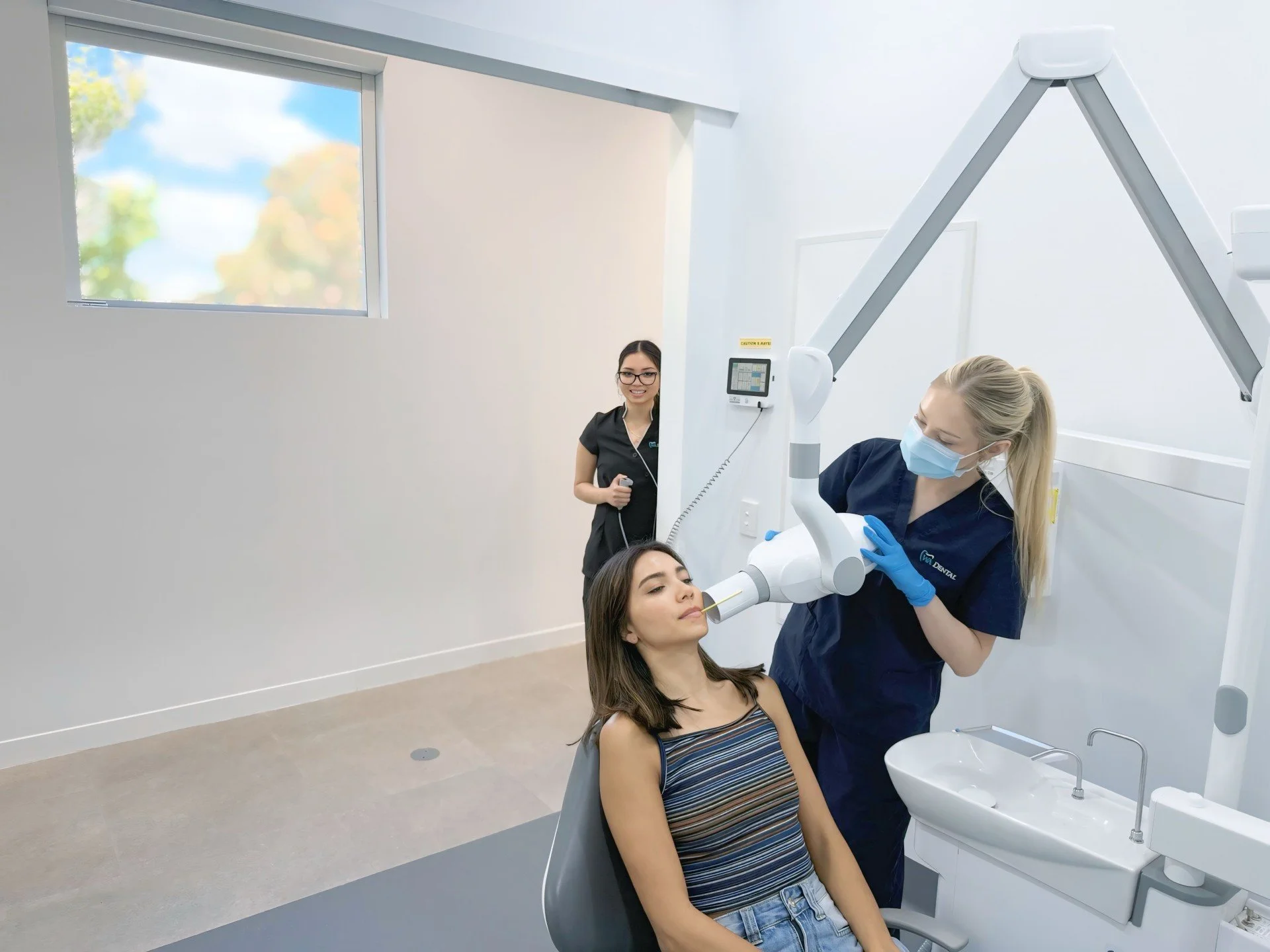
At WA Dental, assessment focuses on position, nerve proximity, and risk of future problems rather than removing every wisdom tooth automatically. X-rays and clinical examination help determine when removal is beneficial and when monitoring is safer.
For teeth that do require removal, the procedure is planned to minimise trauma to surrounding bone and gum. Careful technique helps reduce post-operative discomfort and supports predictable healing and recovery.
After removal, guidance is provided on swelling control, eating, and cleaning so recovery progresses smoothly. Most patients return to normal activity quickly with appropriate care.
The goal is not simply extraction, but preventing ongoing pain and protecting long-term oral health.
Wisdom Teeth Removal in Perth
Understanding when removal helps and when monitoring is enough.
Not all wisdom teeth cause problems. Some remain buried and harmless, while others trap bacteria beneath the gum, leading to repeated inflammation, swelling, bad taste, or pressure on nearby teeth. The decision to remove them depends on behaviour over time, not just their appearance on an X-ray.
At WA Dental, evaluation considers eruption space, gum health around the tooth, and cleaning access. Teeth that cannot be kept clean or are likely to damage neighbouring teeth are usually better managed early, while others can be safely reviewed and monitored.
When removal is recommended, planning focuses on reducing post-operative discomfort. Gentle techniques and careful tissue handling help limit swelling and support predictable healing and faster recovery.
Clear aftercare instructions are provided so you know what is normal and when to contact us. Most symptoms improve steadily over several days with simple care measures.
Looking for wisdom teeth removal in Perth? WA Dental provides carefully planned extractions focused on comfort, safety, and straightforward recovery.
Why Choose WA Dental for Wisdom Teeth Removal
Wisdom tooth removal varies greatly depending on position, gum coverage, and proximity to nearby structures. At WA Dental, planning begins with detailed imaging and risk assessment so the procedure matches the difficulty of the tooth rather than using a one-size-fits-all approach.
Some teeth can be removed simply, while others require staged elevation and sectioning. The focus is on controlled removal with minimal pressure, reducing trauma to surrounding bone and improving post-operative comfort.
For anxious patients or longer procedures, we provide multiple sedation options including nitrous oxide (laughing gas) and IV sedation (twilight sedation) so treatment can be completed calmly and predictably.
After removal, attention shifts to healing. Careful socket management, clear instructions, and review when needed help reduce complications such as dry socket and prolonged swelling, supporting smoother recovery and predictable healing.
The goal is not just getting the tooth out, but making the entire experience manageable, comfortable, and well-planned from assessment through recovery.
Contact Us
WA Dental 3/150 Coolamon Bvd Ellenbrook 6069 WA
ellenbrook@wadental.com.au
08 9297 4663
Looking for a dentist in Perth? Contact WA Dental today to book an appointment for orthodontics, dental implants, cosmetic or general dental care.
Frequently Asked Questions
-
No. Wisdom teeth are only removed when they are causing problems or are likely to in the future, such as infection, crowding, gum swelling, decay, or damage to neighbouring teeth. Some can be safely monitored instead.
-
The procedure itself should not be painful because the area is fully numb. We also offer nitrous oxide (laughing gas) and IV sedation (twilight sedation) for comfort. Afterwards, most patients experience swelling and soreness rather than sharp pain, which is manageable with medication.
-
You can choose. Some patients prefer local anaesthetic only, while others choose sedation. With IV sedation, you remain responsive but relaxed and often don’t remember the procedure.
-
Soft foods are recommended for the first few days. Examples include yoghurt, pasta, eggs, smoothies, and soups. Avoid hard, crunchy, or spicy foods until the area is comfortable.