
Amalgam Removal
Replacing older metal fillings with modern, tooth-coloured restorations designed for strength and long-term stability.
Amalgam fillings were widely used for many years, but over time they can contribute to cracks, staining, and weakening of the surrounding tooth structure. Careful assessment helps determine whether replacement is beneficial for the tooth’s long-term health and function.
At WA Dental, amalgam removal is performed using protective techniques, with replacement materials selected to restore strength, seal the tooth, and improve appearance. Each tooth is evaluated individually so treatment is recommended only when appropriate and explained clearly so you understand what is necessary and what can safely be monitored.
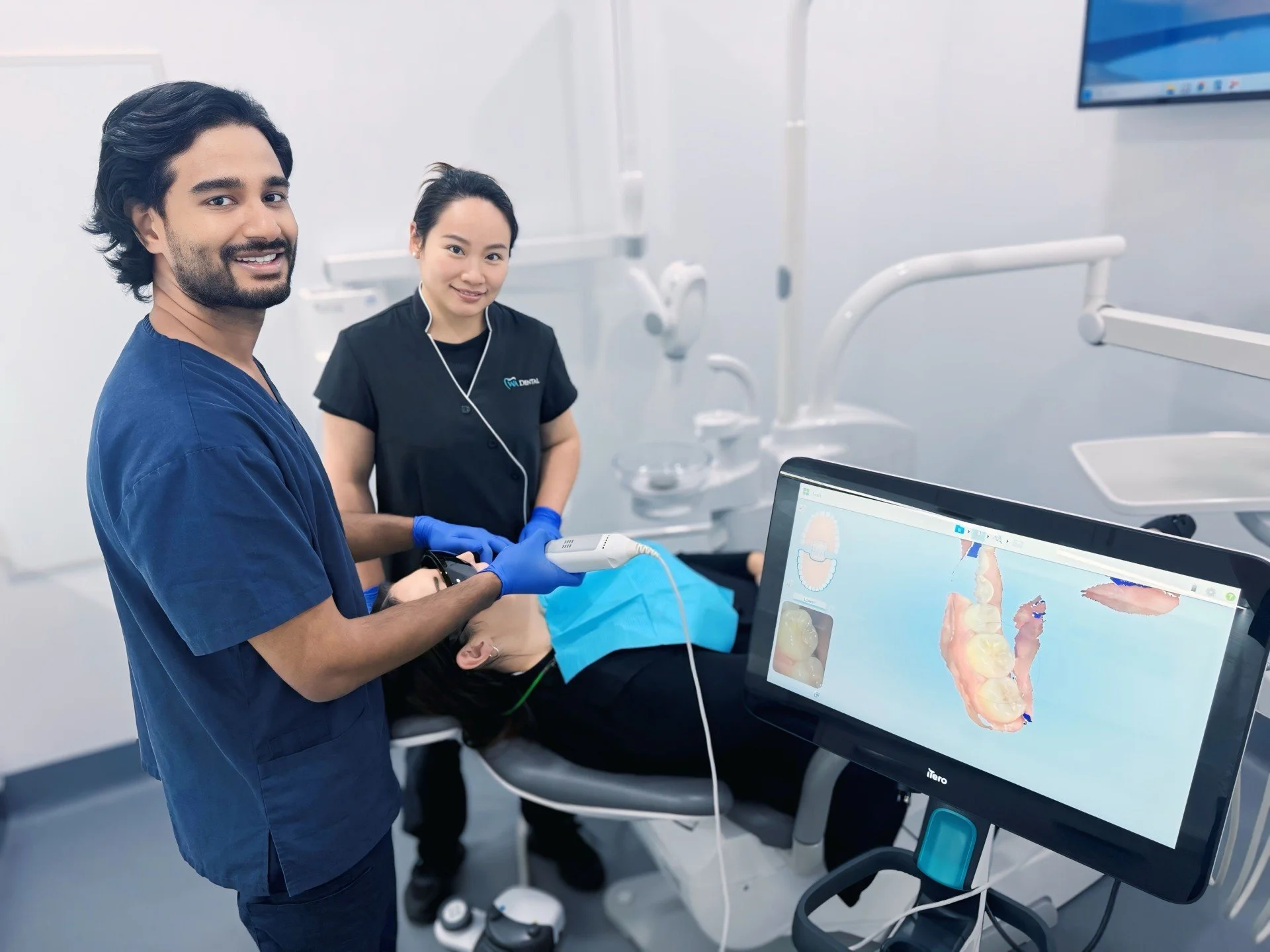
Amalgam Removal in Perth
Careful replacement of older silver fillings to protect and strengthen teeth.
Many amalgam fillings last for years, but as teeth age the surrounding structure can become more fragile. In some cases the filling remains intact while the tooth around it develops cracks, dark lines, or sensitivity. The aim of assessment is to decide whether a filling should remain, be repaired, or be replaced to support the tooth long term.
At WA Dental, the focus is on selective replacement rather than routine removal. Each tooth is evaluated for stability, remaining enamel, and bite pressure before treatment is recommended. When replacement is appropriate, the process is performed using controlled techniques that reduce vibration and protect the surrounding tooth.
Modern restorations are then designed to bond to the tooth, helping distribute biting forces more evenly and improving the seal against bacteria. This often allows the tooth to function more comfortably and reduces the likelihood of future fracture.
The priority is not cosmetic change alone, but improving the strength, reliability, and longevity of the tooth so it continues to function naturally.
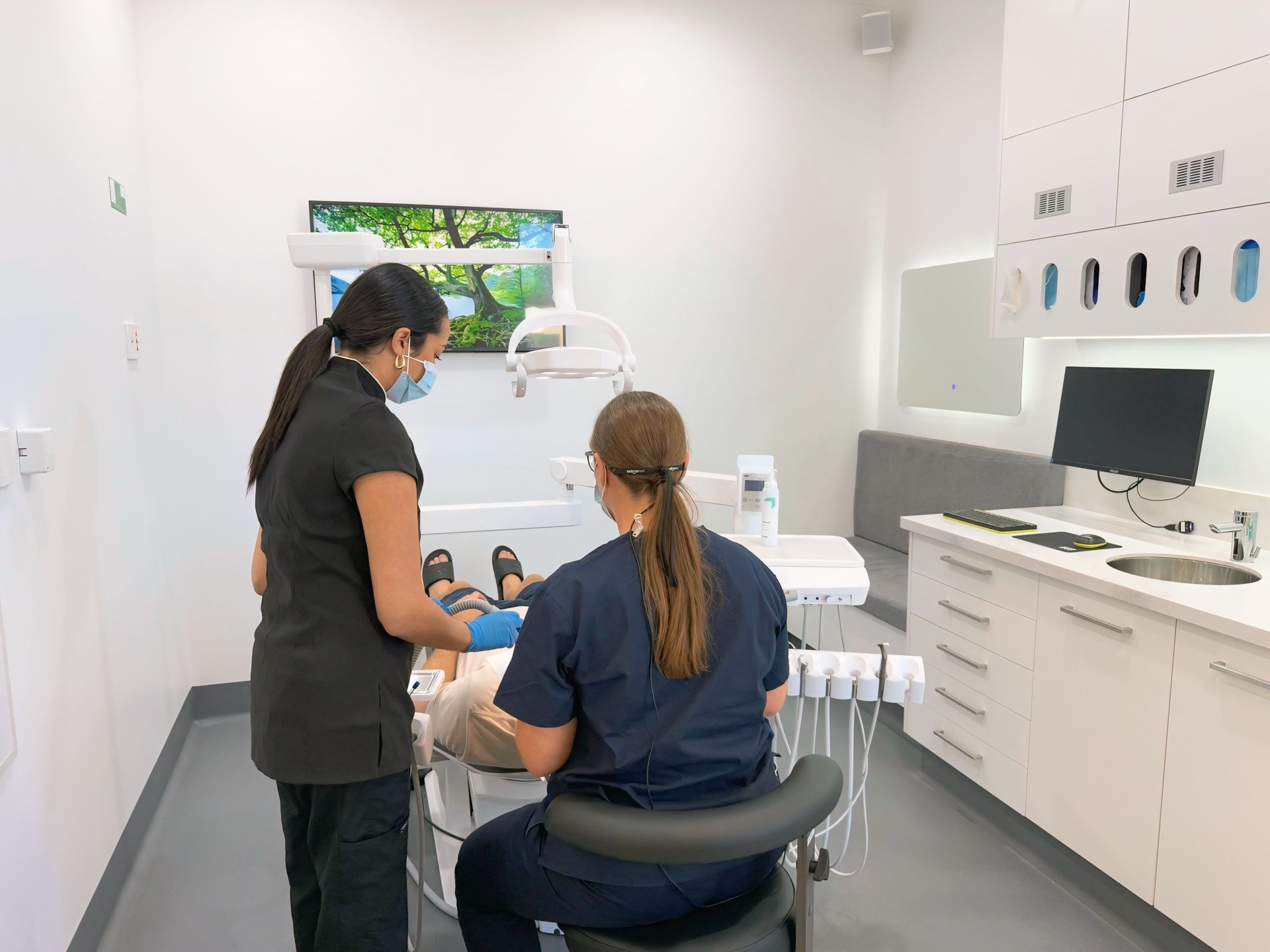
Looking for amalgam removal in Perth? WA Dental provides carefully assessed amalgam replacement focused on tooth preservation, structural support, and long-term function.
Why Choose WA Dental for Amalgam Removal
Amalgam replacement is often treated as a routine procedure, but in reality the decision to replace a filling should be made carefully. At WA Dental, the focus is on whether replacement improves the tooth, not simply whether a metal filling is present. Some fillings remain stable for decades, while others place stress on weakened enamel. The important part is identifying the difference.
Assessment involves looking at crack patterns, bite forces, and remaining tooth structure rather than judging the material alone. Patients are shown what is happening so they understand why a filling may be left untouched, repaired, or replaced. This avoids unnecessary treatment and helps maintain natural tooth structure whenever possible.
When replacement is appropriate, techniques are chosen to minimise stress on the tooth and surrounding tissues. The objective is to transition the tooth from a filling that relies on mechanical retention to one that bonds and reinforces the remaining enamel. In many cases this redistributes pressure during chewing and reduces the likelihood of future fracture.
The goal is not cosmetic change alone, but creating a tooth that functions more predictably over time. Treatment decisions centre on preservation, structural stability, and long-term reliability rather than simply changing materials.

Contact Us
WA Dental 3/150 Coolamon Bvd Ellenbrook 6069 WA
ellenbrook@wadental.com.au
08 9297 4663
Looking for a dentist in Perth? Contact WA Dental today to book an appointment for orthodontics, dental implants, cosmetic or general dental care.


Frequently Asked Questions
-
No. Many amalgam fillings remain stable for years. Replacement is recommended only when there are signs of cracking, leakage, decay around the filling, or structural weakness in the tooth.
-
When planned carefully, the goal is actually to strengthen the tooth. The filling is removed conservatively and replaced with a material that bonds to the tooth, helping support the remaining structure.
-
Often yes. Early cracks can frequently be stabilised with bonded restorations or a crown. Assessment determines whether the tooth can be reinforced predictably.
-
Not usually. While appearance can improve, the main reason is often structural, such as preventing fracture, leakage, or decay beneath an older filling.